
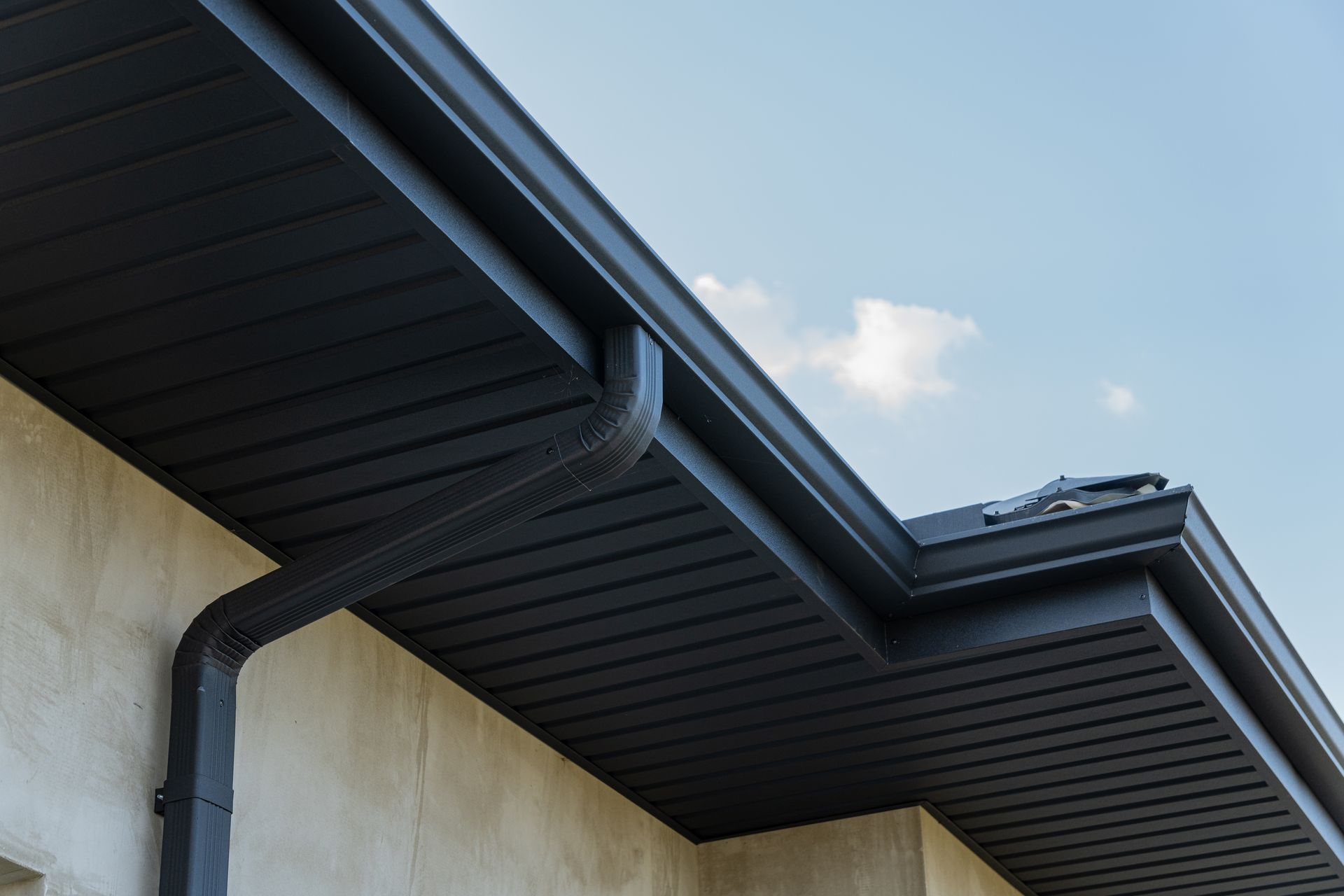
New Gutter Systems Built for Foundation Protection
Gutter Installation in Moline for new construction, additions, or homes where no functional gutter system currently protects the roofline and foundation perimeter
Uncontrolled roof runoff doesn't distribute evenly around a home's perimeter—it concentrates at roof valleys, low-slope sections, and architectural transitions where water volumes are highest, and those are exactly the locations where foundation soil saturation and landscaping erosion begin. Calderon Construction installs new gutter systems in Moline designed to capture that concentrated runoff and route it to controlled discharge points positioned to move water away from the foundation. The design accounts for the home's siding profile from the start, so the gutter back edge, fascia relationship, and downspout positions are coordinated with what's already on the exterior rather than treated as independent decisions.
A new gutter installation involves more than hanging sections—it begins with calculating the drainage area each gutter run needs to handle, factoring in both roof square footage and pitch to determine appropriate gutter width and downspout sizing. In Moline, the combination of warm-season thunderstorms and winter ice events means the system needs to handle peak flow capacity while also being mounted in a way that withstands ice loading without pulling hangers from the fascia. Hanger spacing, downspout placement relative to roof drainage concentration points, and the pitch set along each run are the decisions that separate a functional installation from one that overflows or sags within a few seasons.
Schedule a consultation to review your home's roofline drainage requirements and how a new system will coordinate with existing siding and foundation conditions..
Why Gutter Placement and Sizing Affect Long-Term Performance
During installation, each gutter run is set at a consistent pitch toward the nearest downspout outlet—typically a quarter inch of drop per ten feet of horizontal run. This pitch keeps water moving rather than pooling, which matters both for drainage performance and for preventing the standing water that adds weight load and accelerates corrosion at the gutter floor. Downspout quantity is determined by the volume each outlet needs to handle; a single downspout placed at one end of a long run is frequently undersized for the surface area draining toward it, which creates overflow at the far end during heavy rain regardless of gutter width.
After Calderon Construction completes a new gutter installation, the roofline manages rain events without the uncontrolled sheet runoff that previously reached ground level at random points along the exterior. Foundation soil at the building perimeter stays drier between rain events, reducing the hydrostatic pressure cycles that affect basement wall integrity over time. Downspout discharge points direct flow to splash blocks or extensions positioned at a distance from the foundation, and that path is visible and verifiable after every rain event.
Gutter color and profile selection during a new installation is straightforward when approached as a siding coordination decision—the gutter face and end caps are chosen to complement the existing trim color rather than contrast with it, keeping the exterior presentation consistent. Underground downspout drainage connections are worth considering during the installation phase if the available yard space near the home is limited, since adding them later requires working around an already-installed system and is more disruptive to complete.
What Property Owners Usually Ask About New Gutters
Property owners in Moline considering a first-time or new construction gutter installation typically have questions about sizing, materials, and what the system will require over time.
How many downspouts does a typical home need?
One downspout per thirty to forty linear feet of gutter is a common starting point, but roof pitch, drainage area concentration, and the specific layout of the home's roofline affect whether additional outlets are needed to prevent overflow at high-volume points.
What material is most commonly used for residential gutter installation?
Aluminum is the standard residential choice because it resists rust, accepts factory-applied paint finishes that hold color well, and is lightweight enough to be handled without deforming during installation—it also performs reliably through Illinois temperature ranges without significant expansion-related joint stress.
Why does gutter pitch matter if the gutters are just collecting water?
A gutter set without sufficient pitch holds standing water between rain events, which adds weight that bends hangers over time, promotes mosquito breeding in warm months, and creates the ice buildup at outlets that causes ice dam formation along the fascia in Moline winters.
How does a new gutter installation coordinate with existing siding?
The gutter back edge seats against the fascia board, and the front face of the gutter must clear the siding profile below it—on homes with wide-profile vinyl or composite siding, the fascia width and projection determine the correct gutter positioning so water doesn't bridge between the gutter edge and the siding surface.
What maintenance does a newly installed gutter system require?
Gutters without guard protection typically need cleaning at least twice annually in tree-covered Moline properties—once after fall leaf drop and once in late spring after seed and pollen season—with a visual check of hanger positions and end cap seals included at each cleaning.
Calderon Construction designs each new gutter system around the specific drainage requirements and exterior conditions of the property—connect with the team to begin a roofline assessment and review the installation approach for your home.
Contact Us for a FREE Estimate
Contact Us
We will get back to you as soon as possible.
Please try again later.