
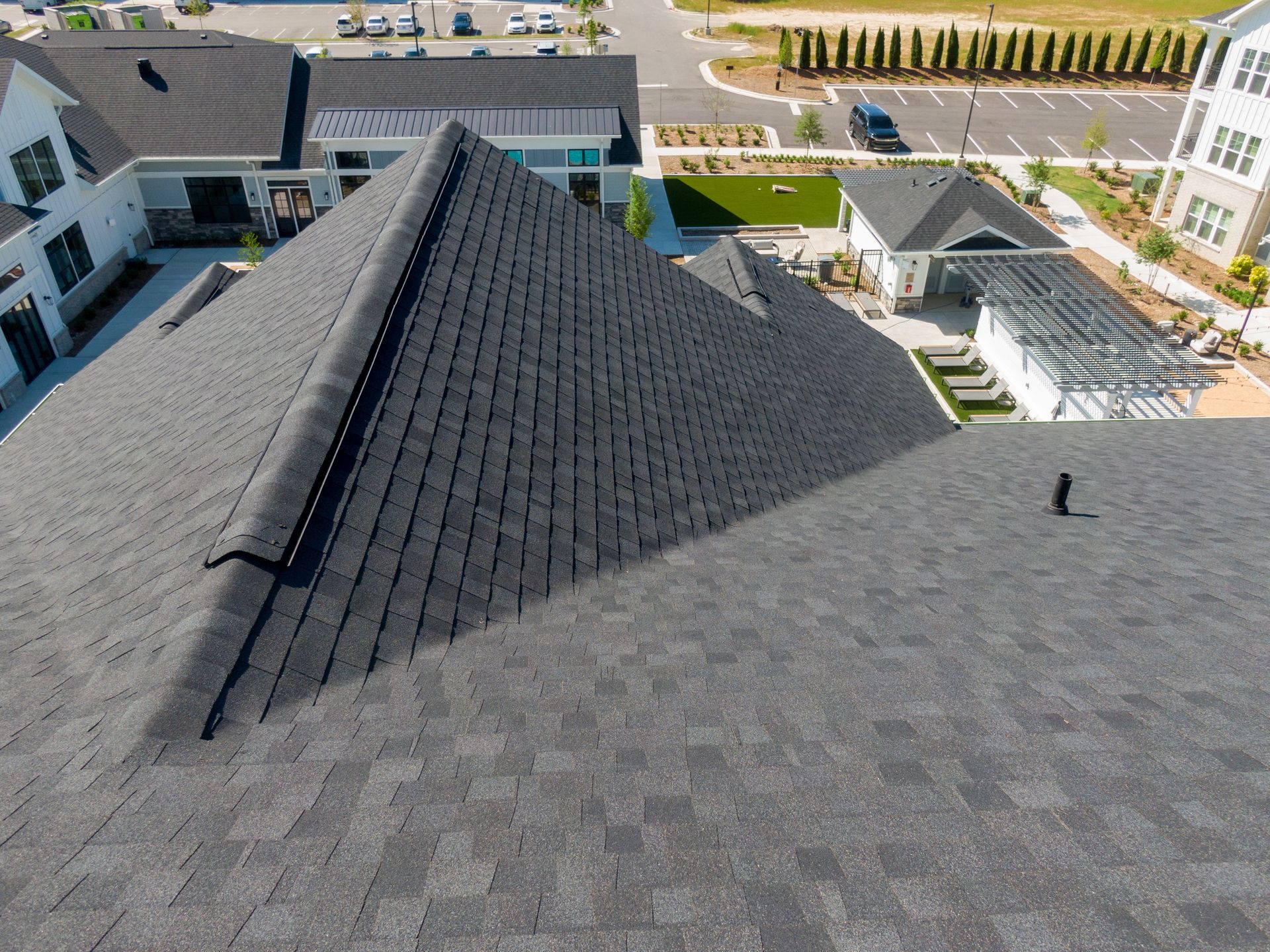
New Roofing Systems Installed With Every Component Right
Residential Roof Installation in Moline for new construction and full system builds requiring correct materials, flashing, and ventilation
Installing a new roofing system is not simply laying shingles over a deck—every component from the underlayment to the ridge vent performs a specific function, and a system where any single element is improperly installed or omitted will underperform regardless of how good the surface material is. Calderon Construction installs complete residential roofing systems in Moline, covering new construction projects and full system builds where a properly sequenced, correctly detailed installation is the starting requirement rather than an optional upgrade. The difference between an adequate installation and a correct one shows up years later in how well the system holds up to the conditions this region produces.
A properly installed roofing system in this climate requires specific attention to ice-and-water barrier placement along eaves and in valleys, because Moline winters regularly produce the freeze-thaw cycling that creates ice dam conditions. That barrier needs to extend far enough up the slope to protect the area where ice typically accumulates, which is determined by the roof pitch and the attic's thermal profile—not by a standard measurement applied to every job identically. Flashing at vertical transitions, chimneys, and wall intersections is also installed with step flashing and counterflashing sequences that allow differential movement between the roof and the structure without opening gaps at those critical junctions.
Arrange a consultation to review your project specifications and discuss how each system component will be approached for your home's specific roof geometry..
Why Each Installation Component Affects Long-Term Performance
Ventilation is among the most consequential and most frequently shortchanged elements in residential roof installation. An attic that lacks sufficient intake at the soffits and exhaust at the ridge traps heat and moisture, which degrades shingles from beneath by driving up the deck temperature in summer and creating condensation in winter. Proper installation involves calculating the net free area of ventilation required for the attic volume, then verifying that intake and exhaust are balanced—a ridge vent installed without adequate soffit intake pulls air from inside the house rather than from outside, which defeats its purpose entirely.
A correctly installed roofing system produces specific observable results at completion. The ridge line runs straight without the sagging that indicates decking irregularities that weren't corrected before installation. Flashing sits fully embedded at every transition point without gaps or visible sealant acting as a substitute for correct metal work. Soffit vents are unobstructed and the ridge ventilation is continuous across the peak. Calderon Construction treats these details as baseline requirements rather than premium options because they directly determine how long the system functions as designed.
Installation scope also involves decisions about starter course placement, shingle exposure consistency, and nail pattern—each of which affects wind uplift resistance and weathering performance over time. Manufacturer specifications for these elements exist because they're derived from tested performance data, and deviating from them can affect the roofing system's classification for wind and weather resistance. Understanding what those specifications require and why is part of what separates an installation done to a standard from one done to a schedule..
Answers to Frequent Roof Installation Questions
Homeowners in Moline planning new construction or a complete roof system build often want to understand what correct installation actually involves and how to evaluate whether the work was done properly.
What does proper ice-and-water barrier installation require in this climate?
In Moline, barrier should extend from the eave edge up the slope to a point at least 24 inches inside the interior wall line—on lower-pitch roofs, that means the barrier covers a substantially wider band than on steeper slopes, because water backs up farther under ice dam conditions.
How is flashing installed at a chimney differently from other penetrations?
Chimney flashing uses a two-piece system—step flashing woven into the shingle courses on the sides and counterflashing embedded in the masonry above it—which allows the roof and chimney to move independently through seasonal cycles without the flashing pulling away from either surface.
What role does the starter course play in a new shingle installation?
The starter strip seals the bottom edge of the first shingle course, preventing wind from lifting shingle tabs at the eave—without it, the exposure between shingles at the lowest course creates an entry point for both water and wind-driven uplift.
Why does attic ventilation affect shingle longevity?
Heat trapped in an underventilated attic raises deck temperatures well above ambient air temperature in summer, which accelerates the drying and cracking of the asphalt binder in shingles from beneath while the sun degrades them from above—the combined effect shortens service life noticeably.
What should I look for to verify an installation was completed correctly?
After installation, check that the ridge line is straight, that flashing at all vertical surfaces is fully seated with no visible gaps, that shingle courses are consistent in exposure across the full slope, and that soffit vents are clear and unblocked.
Calderon Construction builds each roofing system with the component sequencing and detail work that determines long-term performance rather than just day-one appearance. Connect with us to discuss your installation project and review what a complete, correctly detailed system involves for your specific structure.
Contact Us for a FREE Estimate
Contact Us
We will get back to you as soon as possible.
Please try again later.