
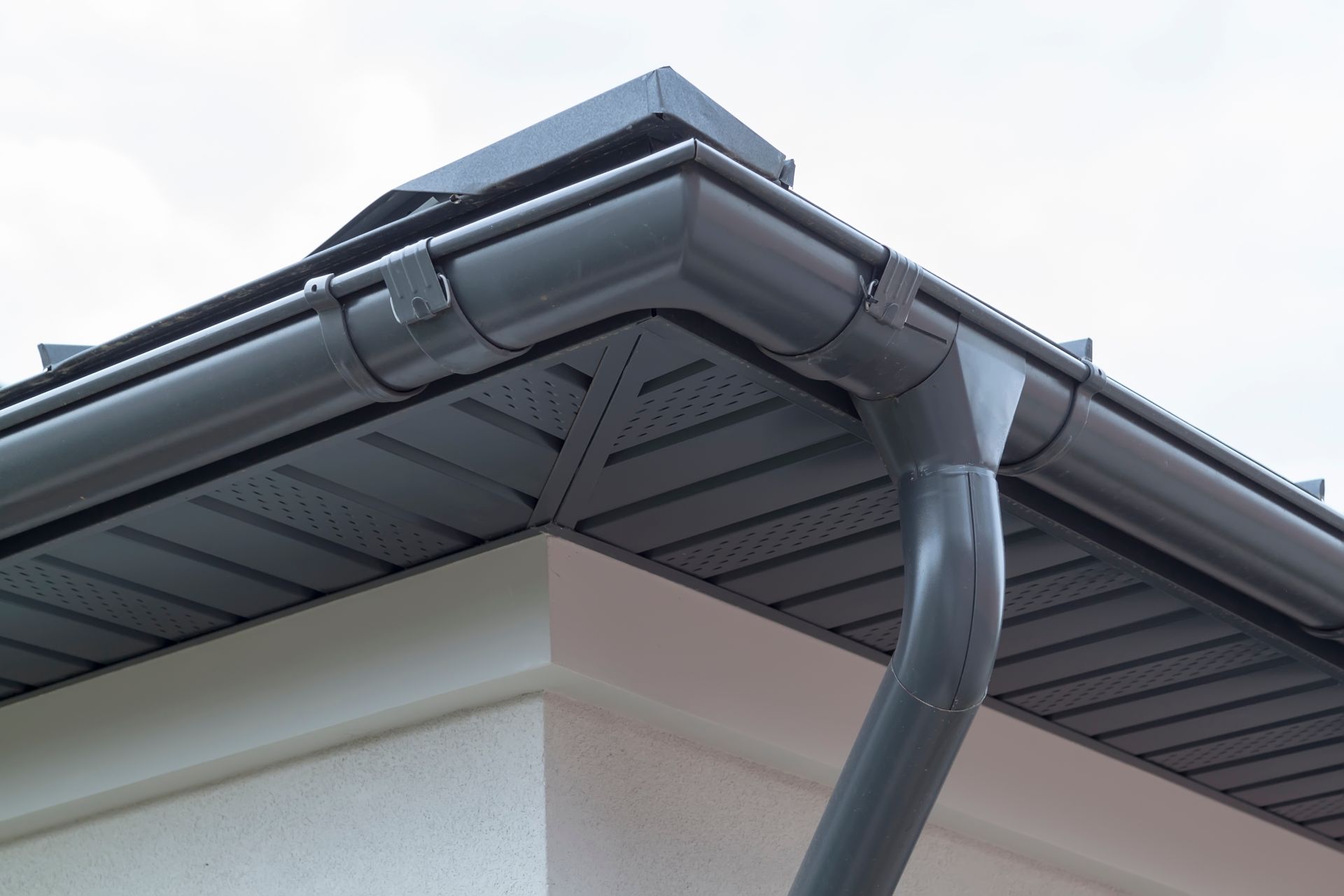
Leaks and Sag Stopped Before Damage Spreads
Gutter Repair in Moline for sections that are leaking at seams, pulling away from the fascia, sagging between hangers, or showing damage at downspout connections
A gutter that sags visibly between hanger points, drips from a seam during rain, or sits with a gap behind the fascia board isn't just an aesthetic issue—it's actively directing water toward the structure it's supposed to protect. Calderon Construction provides gutter repair in Moline, addressing the specific failure points that allow water to reach fascia boards, soffits, and foundation zones. Homeowners typically notice the problem through water stains appearing on exterior siding directly below a gutter seam, wood rot developing at the fascia line, or soil erosion patterns that indicate water is overflowing rather than draining through the system.
Gutter repairs address individual failure modes—loose or missing hanger spikes, separated end caps, cracked seam joints, or damaged downspout inlet connections. Each repair approach differs by failure type: sagging sections require re-hanging at the correct pitch (typically a quarter inch of drop per ten feet of run toward the downspout), while seam leaks are sealed using appropriate gutter sealant applied from inside the channel after the joint is cleaned and dried. Moline's freeze-thaw pattern through winter accelerates seam separation and hanger pull-out because expanding ice in standing water puts outward pressure on joints that have already started to open.
Arrange an inspection to identify every point of failure across your gutter system before water finds a path to the structure below..
The Difference Between a Patch and a Proper Repair
Gutter repair done correctly starts with understanding why the failure occurred, not just sealing the visible symptom. A seam that leaks because the gutter has shifted out of pitch will re-open after sealant alone because the underlying force—standing water weight and thermal movement—continues acting on the joint. Proper repair realigns the section, corrects the pitch, and then seals the seam so the sealant isn't being stressed by a gutter that's still moving. Hanger replacement uses screwed hangers rather than original spike-and-ferrule hardware, which loosens progressively with each frost cycle.
After repairs are completed, the changes are straightforward and visible: water flows through the channel without dripping from seams, the gutter profile sits level and consistent along the fascia line rather than dipping mid-run, and downspouts receive full flow instead of the reduced volume that comes when a clog or damaged inlet is blocking transfer. Fascia boards that were being repeatedly soaked by a leaking seam dry out once the water source is removed, slowing any rot progression that had started.
Some repair visits reveal that a section is too far deteriorated to hold another repair cycle—heavily corroded aluminum, gutters with multiple punctures, or sections that have lost their shape from ice loading may cost more to patch repeatedly than to replace that run outright. Calderon Construction identifies these situations during the inspection so homeowners can make an informed decision about repair versus replacement before work begins..
Answers to Frequent Gutter Repair Questions
The questions below cover the gutter repair concerns that come up most consistently during consultations in Moline and surrounding communities.
How do I know if a gutter is sagging or just dirty?
A gutter holding its correct pitch drains completely within a few hours of rain stopping—standing water that remains visible inside the channel between rain events indicates a low point where pitch has been lost.
What causes gutter seams to separate over time?
Thermal expansion and contraction cycles cause the sealant between sections to fatigue and crack, and once the seal opens, water infiltrates and freezes inside the joint during Moline winters, widening the gap further each season.
Why does water drip behind the gutter instead of into it?
A gap between the back of the gutter and the fascia, or a missing drip edge that allows water to run under the shingles, directs water behind the gutter channel where it saturates the fascia board directly.
When should loose gutter spikes be replaced versus re-driven?
Spikes that have pulled out once will pull out again because the wood hole has enlarged—replacing them with hex-head screws and ferrules in the same location provides a more durable connection that threads into solid wood rather than relying on friction.
How many hangers should a gutter section have?
Hangers spaced at two-foot intervals provide adequate support in most conditions, though sections in areas subject to heavy ice loading or snowpack benefit from closer spacing to prevent deflection under weight.
Calderon Construction documents each identified repair point during the inspection so you have a clear picture of the gutter system's condition before any work is scheduled—request a detailed assessment to start that process.
Contact Us for a FREE Estimate
Contact Us
We will get back to you as soon as possible.
Please try again later.