
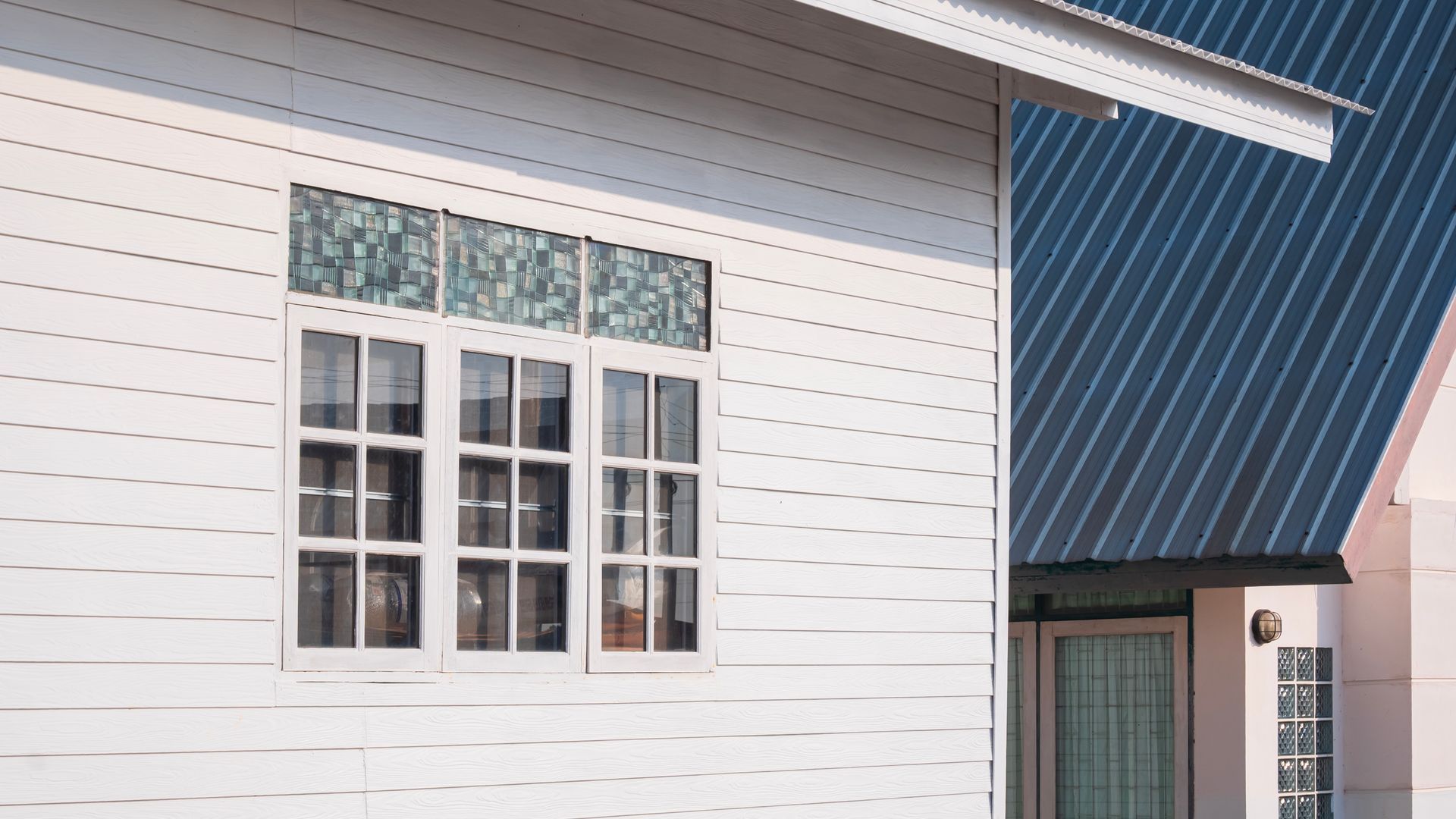
Siding That Stops Weather From Getting In
Residential Siding Replacement in Moline for homes with cracked, warped, or deteriorating exterior cladding
Calderon Construction handles residential siding replacement for homeowners in Moline dealing with panels that have cracked from repeated freeze-thaw cycles, buckled from moisture intrusion, or simply aged past the point where maintenance is keeping up with deterioration. Siding that has lost its structural integrity no longer seals the wall assembly the way it was designed to, which allows water to work behind the surface and reach the sheathing beneath. At that stage, cosmetic repairs stop being practical and full replacement becomes the more cost-effective path.
Moline winters create specific stress on exterior cladding that accelerates failure in ways that warmer climates don't produce. Temperature swings between seasons cause expansion and contraction in the material, and over time that cycling causes seams to open, fasteners to back out, and panels to warp along their length. Replacement involves stripping the existing material, inspecting the underlying sheathing for moisture damage, addressing any compromised sections, and then installing new cladding with properly overlapping joints, sealed penetrations, and trim that closes off vulnerable edges. Each of those steps affects how long the new installation performs.
Request an on-site evaluation to identify which sections of your exterior need replacement and what the underlying wall assembly currently looks like.
What Proper Siding Replacement Requires
Stripping old siding to bare sheathing is the only reliable way to assess what has been happening behind the surface. Siding that looks worn on the outside frequently conceals sheathing that has softened from trapped moisture, and installing new material over a compromised substrate creates a failure that repeats faster than the original. The replacement process involves inspecting and replacing damaged sheathing sections, confirming that the housewrap or moisture barrier is intact, and then building the new cladding layer in a sequence that sheds water away from the wall at every horizontal joint.
Once replacement is finished, you'll notice that window and door trim sits flush against new material without the gaps that develop when old siding has shifted or shrunk, and the wall surface no longer shows the rippling or cupping that indicated moisture movement in the previous installation. Exterior walls that previously allowed drafts through failed seams will also feel noticeably more airtight from inside the home. These are the functional indicators that the replacement was done to the wall assembly as a system rather than as a surface swap.
Material selection affects long-term performance in specific ways worth understanding before committing to a product. Fiber cement holds paint longer than vinyl but requires more precise installation because it doesn't tolerate improper fastener depth. Vinyl is lower maintenance but has a narrower performance band in extreme cold. The right choice depends on your home's exposure, the budget for future upkeep, and what the existing wall construction can support without modification.
Common Questions About Siding Replacement
Homeowners in Moline frequently ask similar questions before committing to siding replacement, particularly around timing, what the work uncovers, and how to evaluate whether the job was done correctly.
What signs indicate that siding needs full replacement rather than spot repair?
When more than roughly 20 percent of panels show cracking, warping, or separation at seams, spot repairs tend to become an ongoing cycle rather than a solution. Full replacement addresses the underlying exposure pattern rather than chasing individual failures.
How does cold weather affect the siding installation process?
In Moline, installations done in very low temperatures require material that has been acclimated to ambient conditions before cutting and fastening, because some panel types become brittle below freezing and can crack during handling if taken directly from an unheated space.
What happens to the existing trim and flashing during replacement?
Trim and flashing around windows, doors, and penetrations are evaluated and replaced as part of the project when they show deterioration, because new siding installed against failed trim creates re-entry points for water at those exact locations.
Why does the sheathing inspection matter before new siding goes on?
Sheathing that has absorbed moisture loses its fastener-holding capacity, which means siding nailed into softened sheathing won't stay anchored through wind loading—this is the most common reason siding installations fail earlier than expected.
When is the best time of year to schedule siding replacement?
Late spring through early fall generally provides the most stable installation conditions, though replacement can be completed in cooler months with appropriate material handling protocols.
Calderon Construction can walk through the current condition of your exterior and outline what the replacement scope would involve based on what's visible and what the underlying wall assembly is likely to show once the old material comes off. Arrange a site visit to start that conversation with a clear picture of your home's specific situation.
Contact Us for a FREE Estimate
Contact Us
We will get back to you as soon as possible.
Please try again later.